Things Auto Repair Shops Wish You Knew Before Coming In
Understanding how to approach auto repairs can be daunting for many vehicle owners. Navigating the complexities of repair shops, understanding your car’s needs, and managing expectations can make the experience smoother and more efficient. By learning what technicians look for, how they diagnose problems, and what information is most useful, you’ll feel more confident when discussing repairs or routine services. This knowledge not only helps you communicate more effectively but also increases trust and transparency during every visit.
Many vehicle owners don’t realize how much time they can save by preparing ahead, documenting symptoms, and learning the basics of maintenance intervals. A proactive mindset reduces stress, minimizes unexpected breakdowns, and helps you build a stronger working relationship with your chosen auto repair shop. Even simple habits—like keeping past service invoices or noting when issues occur—can completely change your experience the next time you walk through the door.
The Importance of Regular Maintenance, Following Manufacturer Intervals, and Staying Proactive
Every vehicle comes with a manufacturer’s manual that is often overlooked by drivers. This manual provides a complete guide to your car’s maintenance schedule, offering clear instructions on when to perform essential checks and replacements. By referring to this manual regularly, you can prevent many common issues that arise from neglect. It offers vital information about tire pressure, oil change intervals, and fluid levels. Keeping this document handy and consulting it regularly saves you time and unnecessary stress over the long run, ensuring your vehicle’s systems function properly and safely.
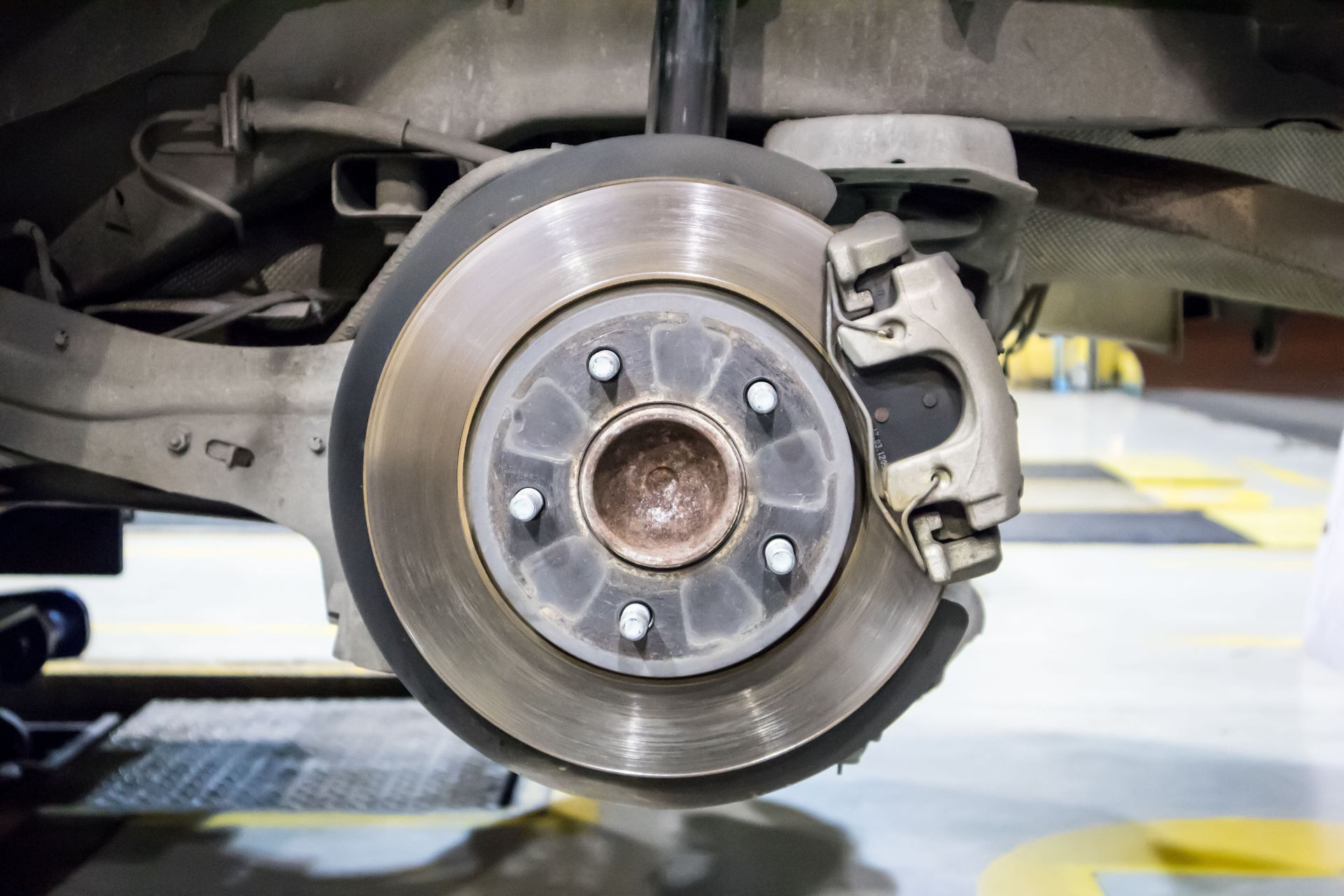
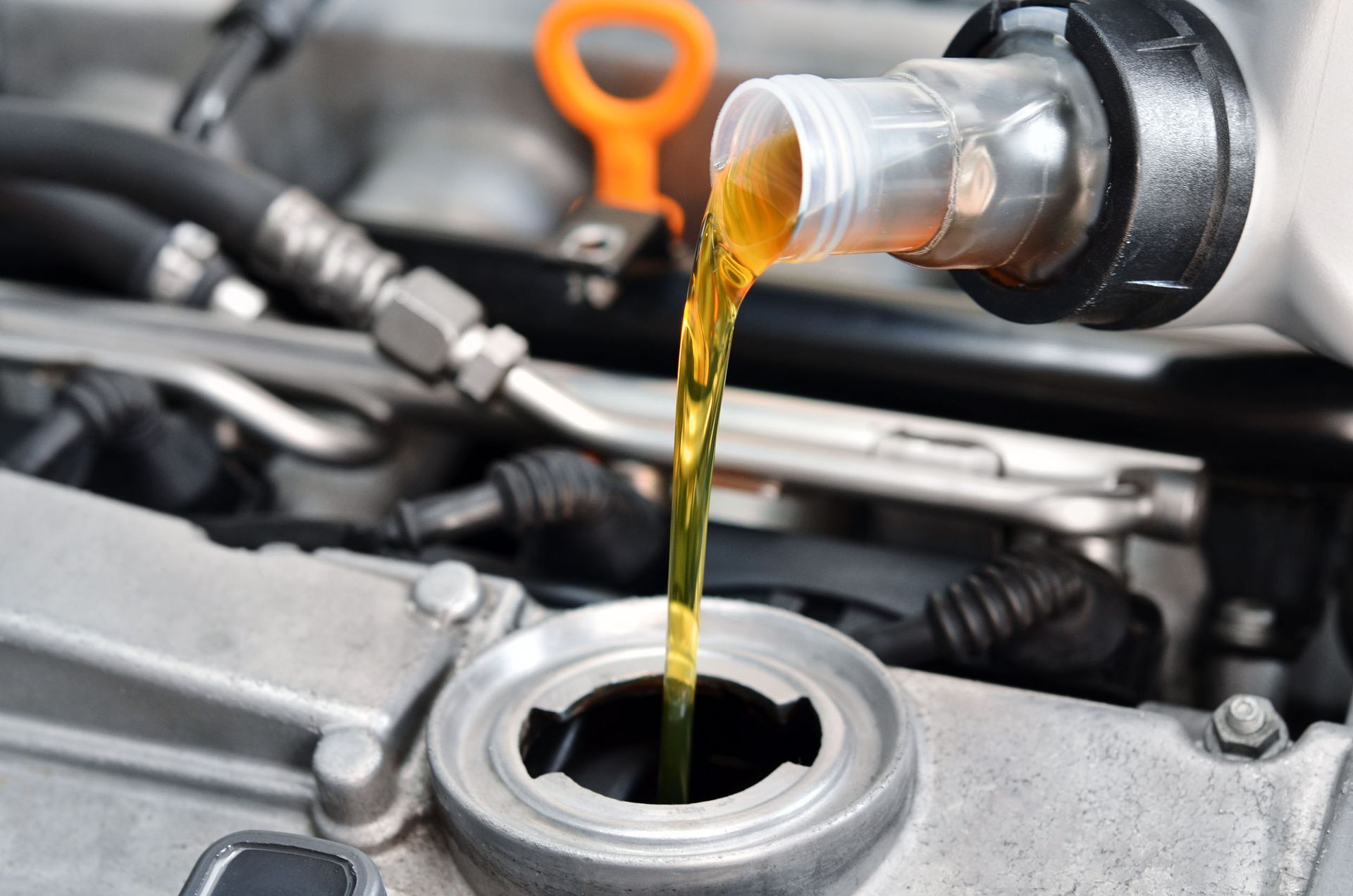
Auto manufacturers set specific service intervals for good reason. These guidelines are based on extensive research and testing designed to help your vehicle perform at its best throughout its life. Ignoring recommended service intervals leads to premature wear, performance issues, and repairs. By adhering to these schedules, you extend the lifespan of your vehicle, maintain its resale value, and preserve overall reliability. For example, according to AAA, the life of the brake is usually around 30,000 to 40,000 miles. Regular servicing also allows technicians to catch emerging issues before they become major problems, making your visits to the auto repair shop far more efficient and productive.
Being attentive to your vehicle’s behavior can prevent bigger issues down the line. Unusual noises, vibrations, and dashboard warning lights are all signals that something may be wrong. Addressing early warning signs can prevent more extensive repairs and save time. Paying attention to these indicators helps you describe the issue more accurately, making your communication with your repair shop clearer and more productive. Becoming familiar with how your vehicle normally sounds, feels, and performs empowers you to take control of its long-term health.
Your maintenance strategy should also include seasonal checks and environmental considerations. Extreme heat and cold both impact your vehicle differently, affecting batteries, tires, and various fluids. Scheduling seasonal inspections at your trusted auto repair shop ensures that your vehicle adapts properly to weather changes. These small, routine steps can prevent temperature-related breakdowns, improve performance, and extend the life of critical vehicle components throughout the year.
How to Communicate Effectively, Clearly, and Confidently With Your Mechanic
Communication is key when working with mechanics. Providing detailed, precise information about your vehicle’s issues can significantly speed up the repair process. Even if you’re not a car expert, simply sharing what you observe—such as when the issue happens or what sounds you hear—goes a long way. The more accurate your information, the less diagnostic time your auto repair shop needs to spend identifying the problem.
Do not hesitate to ask questions when speaking with your mechanic. Understanding the how and why behind repairs helps demystify the process and makes you a more informed vehicle owner. Asking about repair options, timelines, and part differences helps you make better decisions and manage expectations. This open dialogue often leads to higher-quality service, as mechanics appreciate when customers are engaged and invested in their vehicle’s well-being.
Familiarizing yourself with basic automotive terminology can significantly improve communication with your mechanic. Knowing the difference between key components—such as the alternator versus the starter—helps eliminate confusion and prevents miscommunication. This foundational understanding also enables you to better evaluate recommendations and make decisions with confidence. Resources like online glossaries or simple videos make learning these basics quick and accessible, resulting in clearer conversations with your repair shop.
Another important communication tip is documenting your vehicle’s symptoms. Instead of relying on memory, take notes about when issues occur, how often they happen, and any patterns you notice. This simple habit provides your mechanic with valuable insight, leading to faster, more accurate repairs. Bringing videos or recordings of sounds can also help greatly. The more precise your documentation, the smoother your visit to the auto repair shop becomes.
Understanding Diagnostics and the Value of Accurate Testing
Getting the most out of a diagnostic visit requires a bit of preparation. Having information ready—such as recent symptoms, recent repairs, or unusual occurrences—helps your mechanic identify the issue faster. Bringing a written list of concerns or questions makes the diagnostic process more efficient and informative. Preparedness can save you both time and money while helping your technician conduct a more accurate evaluation.
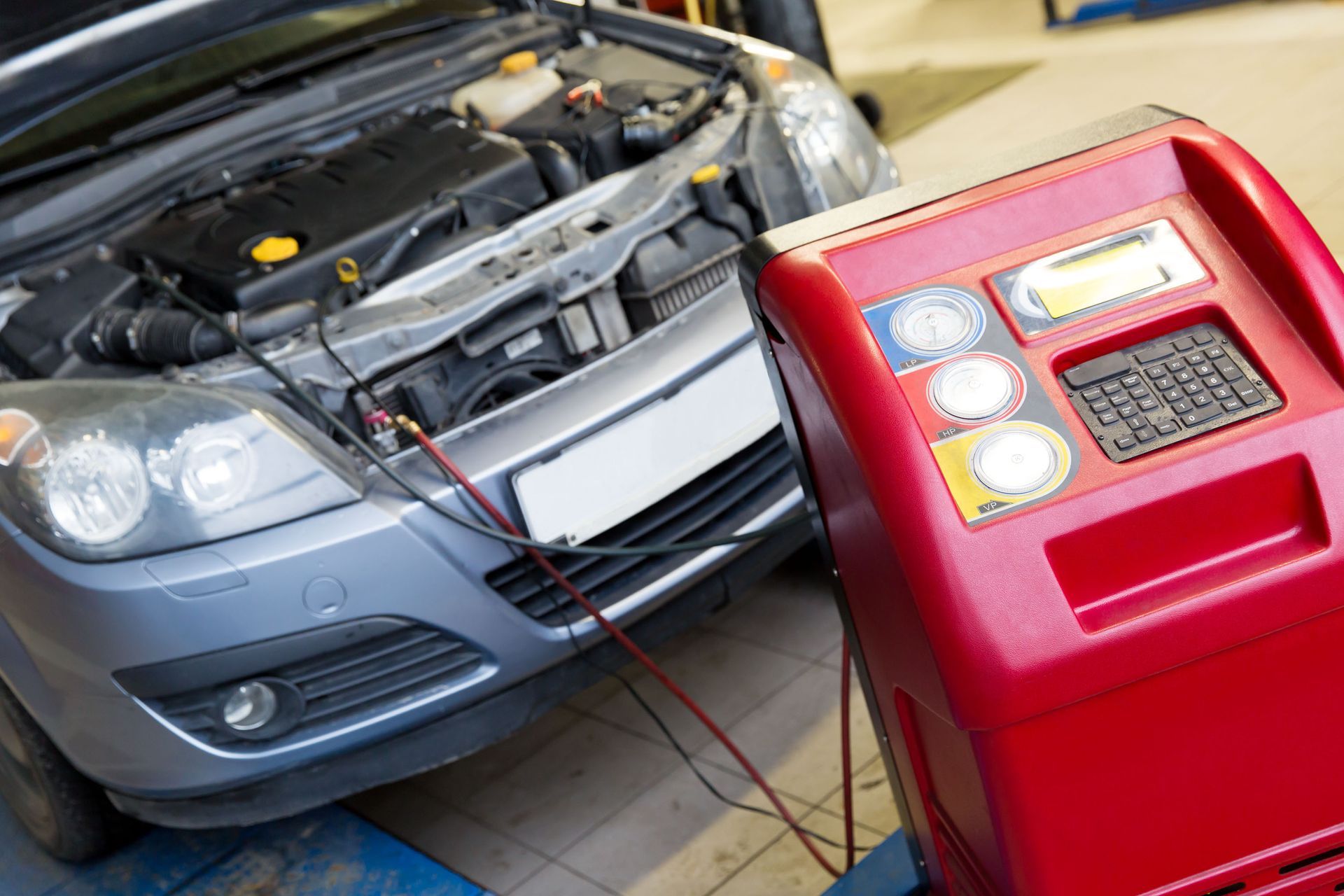
The true value of expert diagnostics lies in accuracy and reliability. Skilled technicians minimize the risk of incorrect repairs, saving time and resources. Accurate evaluations provide peace of mind and help ensure that all issues have been properly identified. These benefits demonstrate why qualified diagnostics are essential in any quality auto repair shop, reducing the risk of unnecessary future expenses and improving long-term maintenance decisions.
The Significance of Building, Maintaining, and Strengthening Your Shop Relationship
Returning to the same repair shop offers several advantages. Mechanics who know you and your driving habits can provide more personalized service, often resulting in faster turnaround times. This familiarity reduces misunderstandings and improves overall service efficiency.
Mechanics familiar with your vehicle’s history can make more informed repair and maintenance decisions. This knowledge reduces diagnostic time and allows technicians to anticipate potential issues. The rapport that develops from ongoing service creates trust, ensuring that you feel comfortable asking questions and making informed decisions about your vehicle’s needs.
Trust and transparency form the cornerstone of a strong relationship with your auto repair shop. A trusted mechanic provides not only quality repairs but also honest explanations and clear communication. This reliability builds long-term confidence, inspiring loyalty and encouraging consistent maintenance habits. A service experience rooted in trust protects your vehicle and offers peace of mind.
The Importance of Providing, Sharing, and Using Feedback and Reviews
Your feedback plays an essential role in improving service quality at any repair shop. Providing honest reviews helps technicians identify areas for improvement and understand what customers value most. Positive feedback also acknowledges excellent work and motivates mechanics to maintain high-quality service. Your experiences influence not just your future visits but also assist other customers seeking reliable automotive care. This collective dialogue promotes transparency, raises service industry standards, and strengthens customer confidence.
By understanding communication strategies, the importance of maintenance, the role of diagnostics, and the benefits of building a strong relationship with your mechanic, you can approach vehicle care with confidence and clarity. Proactive engagement, consistent maintenance habits, and open dialogue ensure your vehicle remains safe, reliable, and efficient. With the right knowledge and approach, your partnership with your chosen auto repair shop becomes a valuable part of keeping your vehicle performing at its best. For all of your auto repair needs, contact Al Huss Auto & Truck today!




Share On: