The Importance of Regular Brake Inspection
Braking systems are the cornerstone of vehicle safety and functionality. Regular brake inspections are critical in maintaining optimal vehicle performance. Neglecting brake maintenance poses significant risks, including reduced braking efficiency and a higher likelihood of accidents. Ensuring your brakes are functioning correctly enhances safety and contributes to the longevity of the vehicle. Proactively managing brake maintenance helps avoid unnecessary brake repair costs while maximizing the lifespan of brake components.
Understanding Brake Components
The Brake System Overview
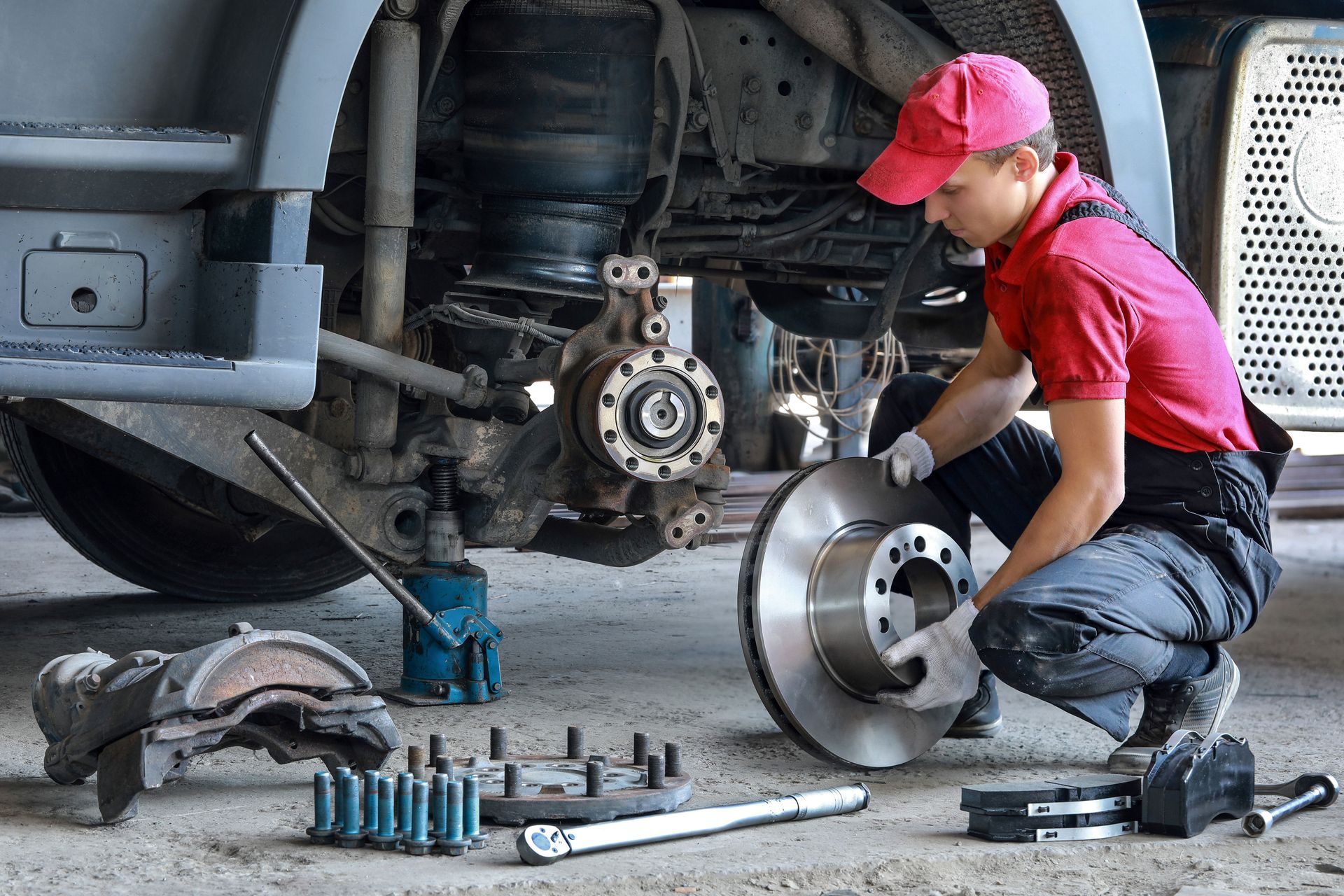
The brake system is a complex assembly consisting of various components that work together to stop the vehicle. The brake pedal acts as the initial interface, transferring the driver's intention to slow down or stop the car. Calipers, rotors, and brake pads follow, engaging in a coordinated effort to reduce the vehicle's speed. Each part has a specific role in brake operation, and maintaining its integrity is crucial for overall performance. A proper understanding of these components ensures effective diagnostics and maintenance.
Brake Pads: First Line of Defense
Brake pads are pivotal in the braking process, providing the friction necessary to halt a vehicle's motion. They are positioned between the calipers and rotors, pressing against the rotors to generate stopping power. Over time, brake pads wear down, diminishing their effectiveness and requiring regular checks and replacements. Quality brake pads are essential for safety, as they are the first contact point for the braking system. Ensuring their optimal functioning prevents further damage to other critical brake components.
Rotors and Drums: Critical to Stopping Power
Rotors and drums play a significant role in the effectiveness of the braking system. When the brake pads press against them, the friction generated slows the vehicle. These components are subject to immense heat and stress and, thus, require regular inspection for any signs of wear or damage. Compromised rotors or drums can severely reduce braking efficiency. By prioritizing their maintenance, one can ensure the safety and effectiveness of the entire brake system.
Calipers and Brake Lines: Key Players
Calipers house the brake pads and push them against the rotors to produce friction. Brake lines carry brake fluid, which is crucial for transferring the force applied at the pedal to the calipers. Regular inspection of these components helps identify wear-and-tear or potential leaks that could lead to brake failure. Keeping them in good condition ensures a responsive braking system. Monitoring them carefully supports the overall health of the brake assembly.
Hydraulic System: Ensuring Smooth Operation
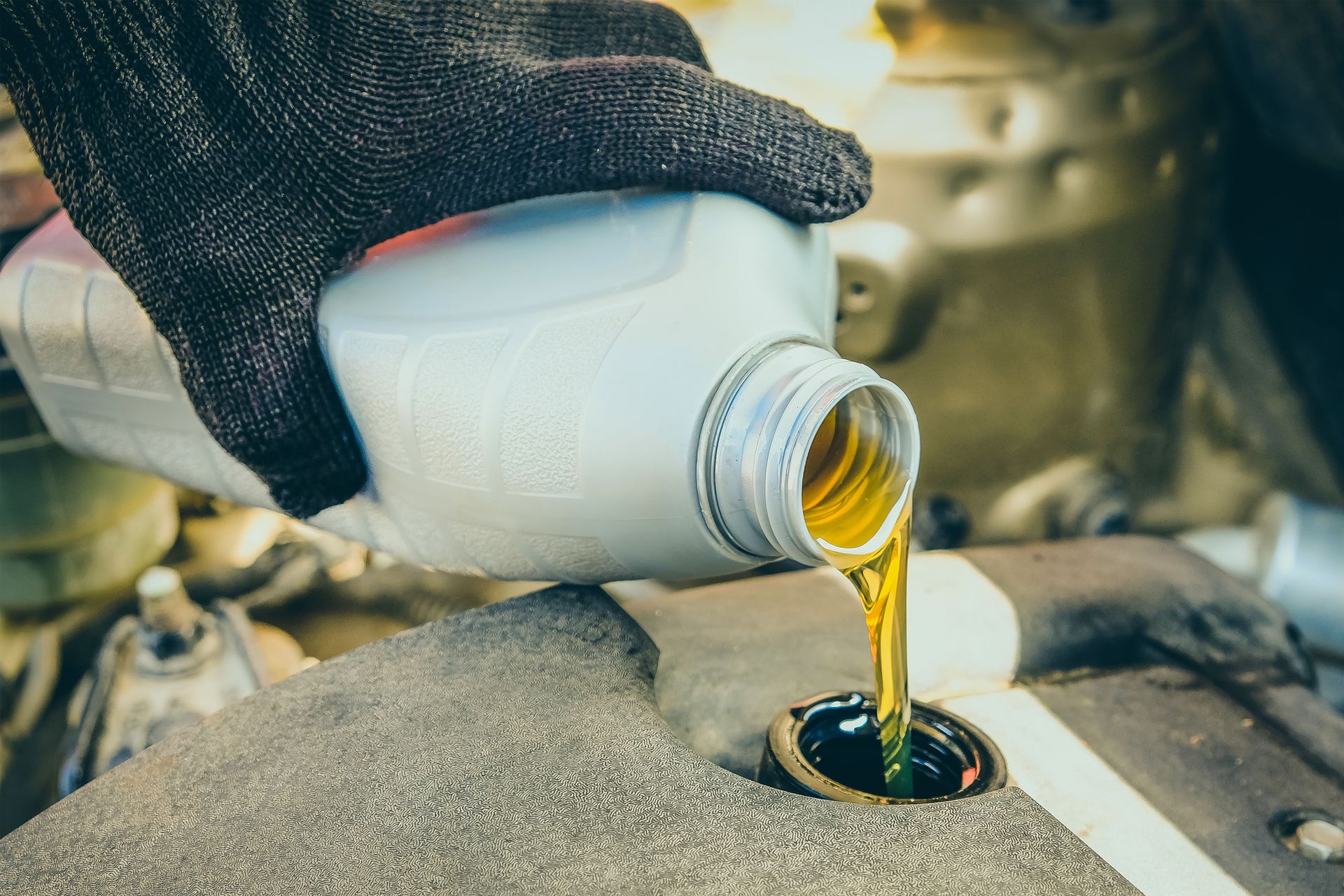
Comprising a network of brake lines, cylinders, and brake fluid, the hydraulic system ensures the smooth operation of the brake system. It converts the driver's foot pressure on the pedal into stopping power at the wheels. Any malfunction or depletion of brake fluid can undermine the system's effectiveness, leading to dangerous driving conditions. Regular maintenance includes checking the hydraulic components for leaks and ensuring the fluid is at optimal levels. Proactive care of the hydraulic system is vital for reliable braking performance.
Signs Your Brakes Need Attention
Unusual Noises
Unusual noises are often the first indicator of brake issues. Squealing noises generally suggest that brake pads are worn and may need replacement. Grinding sounds could indicate contact between the caliper and rotors, usually due to severely worn-out pads. Monitoring and addressing these sounds promptly prevents more extensive damage. Regularly listening for these noises can be a simple yet effective way to catch brake issues early.
Performance Issues
A soft or spongy brake pedal can be an indicator of various brake system issues. It might signal low brake fluid or problems within the hydraulic system. Increased stopping distances are another concern, often pointing to worn pads or malfunctioning brake components. Proactively checking these performance issues not only enhances safety but also helps in diagnosing broader problems within the system. Addressing performance issues promptly can prevent further damage and reduce brake repair costs.
Physical Inspection
A visual inspection can reveal much about the condition of your brake system. Check for worn-out brake pads, uneven rotor wear, and fluid leaks. Signs of rust or damage to brake lines also require immediate attention. A thorough examination helps identify issues before they escalate to more severe problems. Visual inspections are a preventive measure that supports long-term brake health and performance.
Warning Lights
Modern vehicles come equipped with dashboard warning lights that can indicate brake issues. These lights alert drivers to problems ranging from low brake fluid to severe system malfunctions. Ignoring these warning lights can lead to deteriorating brake performance and increased safety risks. Addressing these alerts promptly and consulting a professional ensures the vehicle remains in peak condition. Understanding and responding to these indicators are vital for maintaining brake health.
Unusual Vibrations
Vibrations felt through the steering wheel or brake pedal can be alarming. These sensations often indicate warped rotors or misaligned brake components. Overlooking these signs can compromise vehicle safety and performance. Immediate inspection is advised to diagnose and resolve the underlying issues. Regular inspections help identify and rectify the causes of vibrations, maintaining smooth brake operation.
Benefits of Regular Brake Inspection
Enhanced Safety
Regular brake inspections significantly enhance vehicle safety for the driver and others on the road. Addressing minor issues before they escalate reduces the risk of brake failure. A maintained braking system ensures consistent stopping power, crucial in emergency situations. Routine checks underscore a commitment to safe driving. The importance of such vigilance cannot be overstated.
Prolonged Component Lifespan
Regular inspections contribute to prolonging the life of brake components. By catching issues early, you extend the longevity of parts like pads and rotors. This proactive approach delays the need for replacements and minimizes brake repair costs. Optimal lifespan is achieved through consistent care, reflecting on the overall health of the brake system. Extend the life of your brakes with well-timed, thorough inspections.
Improved Performance
Well-maintained brakes directly improve the overall vehicle performance. Regularly inspecting brakes keeps them operating at peak efficiency and reliability. A responsive braking system enhances driving experiences and vehicle handling. Performance improvements are a direct result of consistent, proactive maintenance. Regular checks facilitate a better driving experience, defining the importance of ongoing brake care.
Cost Savings
Routine brake inspections enhance cost savings by preventing major breakdowns and contributing to the vehicle's longevity. Addressing minor issues before they become severe prevents costly brake repairs. Consistent maintenance budgets are generally lower than unexpected brake repair emergencies. Cost-efficiency is a natural outcome of preventive maintenance strategies. Investing in regular inspections is an investment in future savings.
Peace of Mind
Regular brake maintenance offers a sense of comfort and assurance regarding vehicle safety. It allows drivers to operate their vehicles with confidence, knowing their brake system is in optimal condition. Knowing that your brakes are well-maintained provides peace of mind for all occupants. Proactive checks eliminate uncertainty about the functionality of the braking system. Confidence stems from the knowledge that quality care equals reliable performance.
Professional Versus DIY Inspection
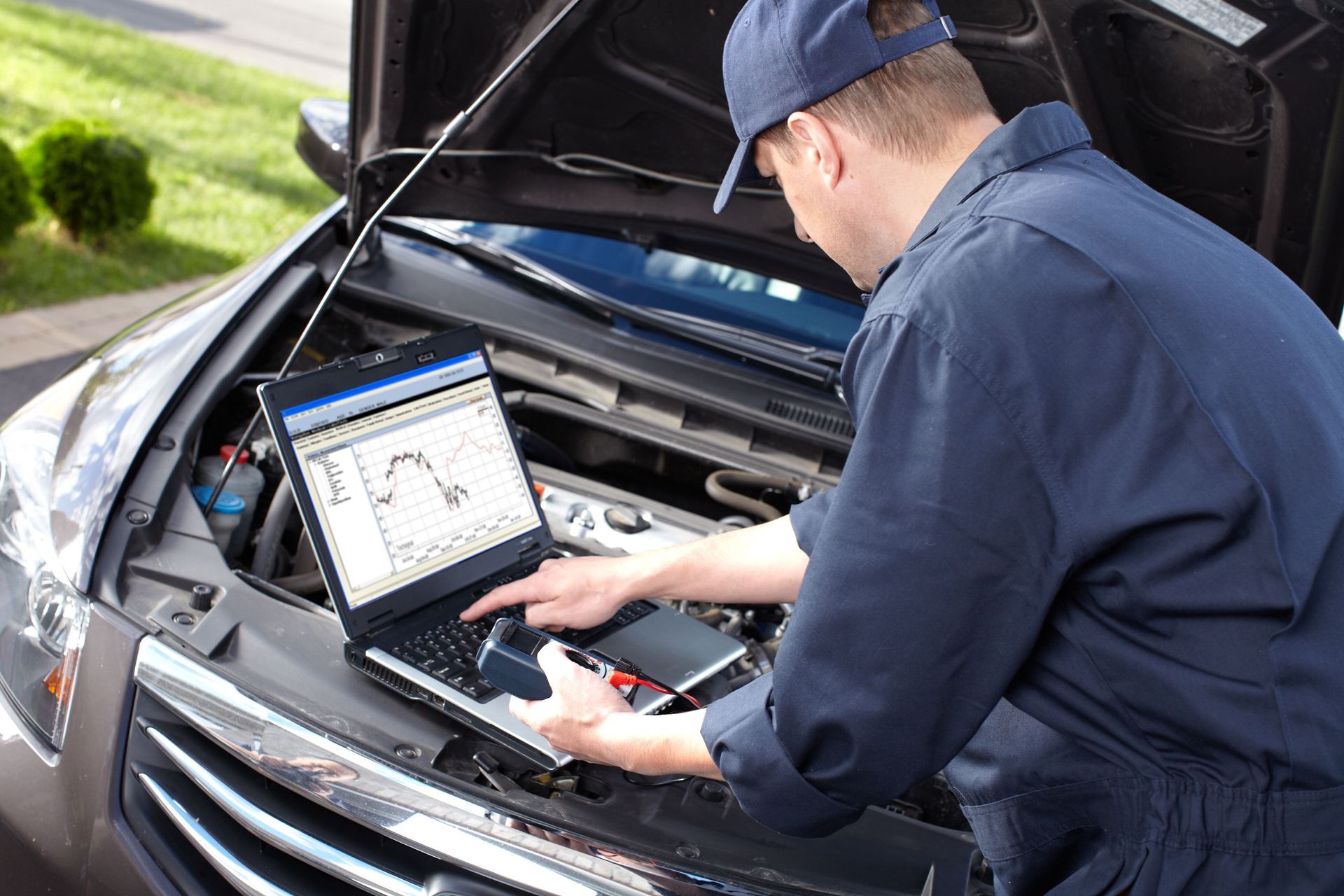
Professional inspections offer expert insights and sophisticated diagnostic tools, revealing complex issues that may go unnoticed during a DIY check. According to UDA Today, industry experts typically suggest having brakes inspected at least once a year. Balancing professional services with minimal DIY checks between professional appointments maximizes the benefits of both strategies to maintain optimal brake conditions.
The essential role of regular brake inspections cannot be overstated, impacting vehicle safety, performance, and cost-effectiveness. Brake maintenance is fundamental to preventing accidents, ensuring reliability, avoiding emergency brake repair, and prolonging the lifespan of brake components. A strategic commitment to ongoing brake care reflects a proactive approach to safety, value retention, and environmental responsibility. By prioritizing brake inspections, drivers foster safer driving conditions, reduce the likelihood of unexpected failures, and enjoy enhanced peace of mind. Contact Al Huss Auto & Truck today to invest in brake repair or elevate your vehicle care by adopting regular brake maintenance into your routine.

Share On: