Clearing Up 6 Common Misconceptions About Auto Maintenance
In the world of auto maintenance, misinformation is rampant. Many car owners often rely on outdated advice or misleading information that can potentially harm their vehicles. Let's take a moment to debunk a few common myths, providing clear and accurate information to help car owners make informed decisions about their vehicle care.
Misconception 1: You Need to Change Your Oil Every 3,000 Miles
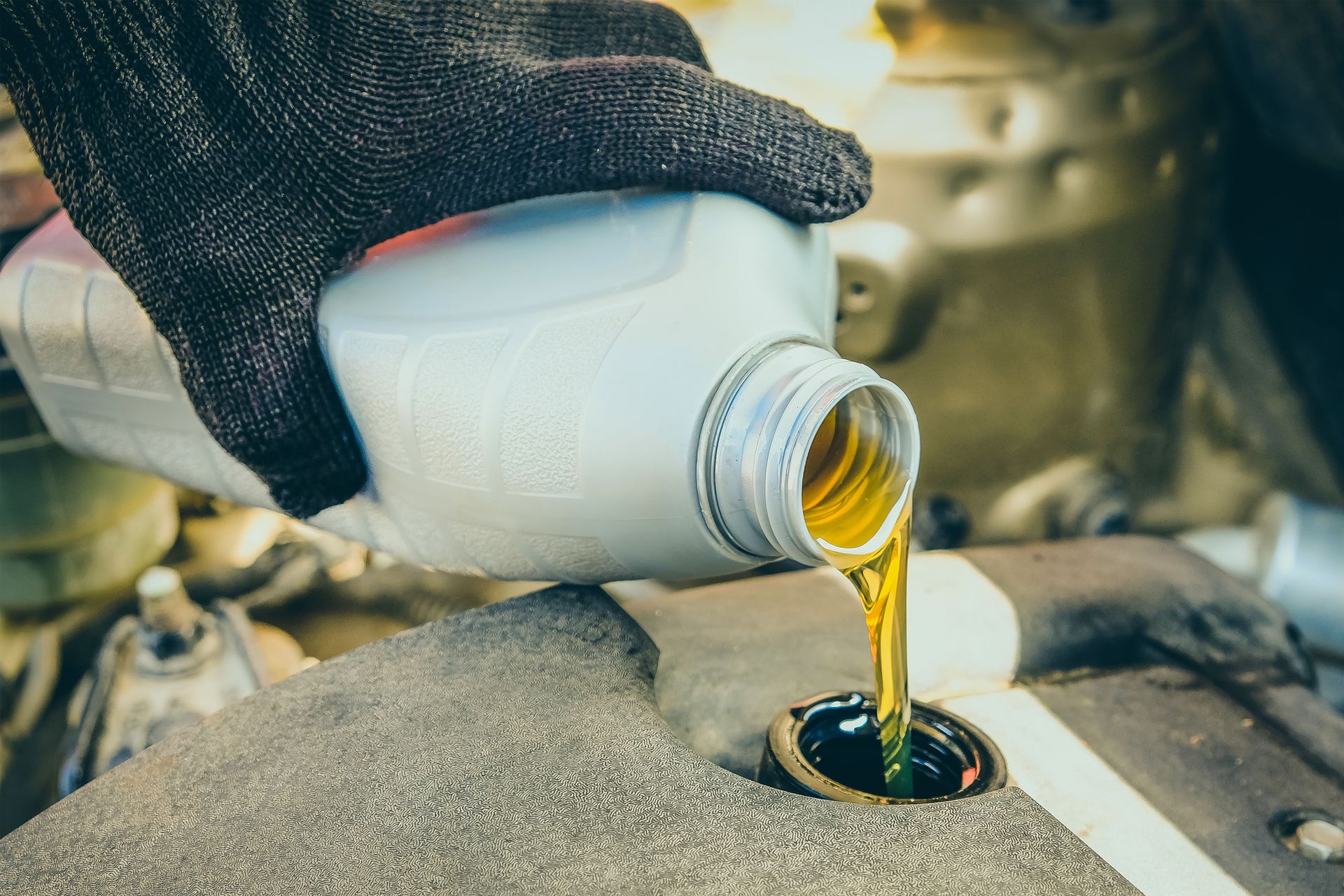
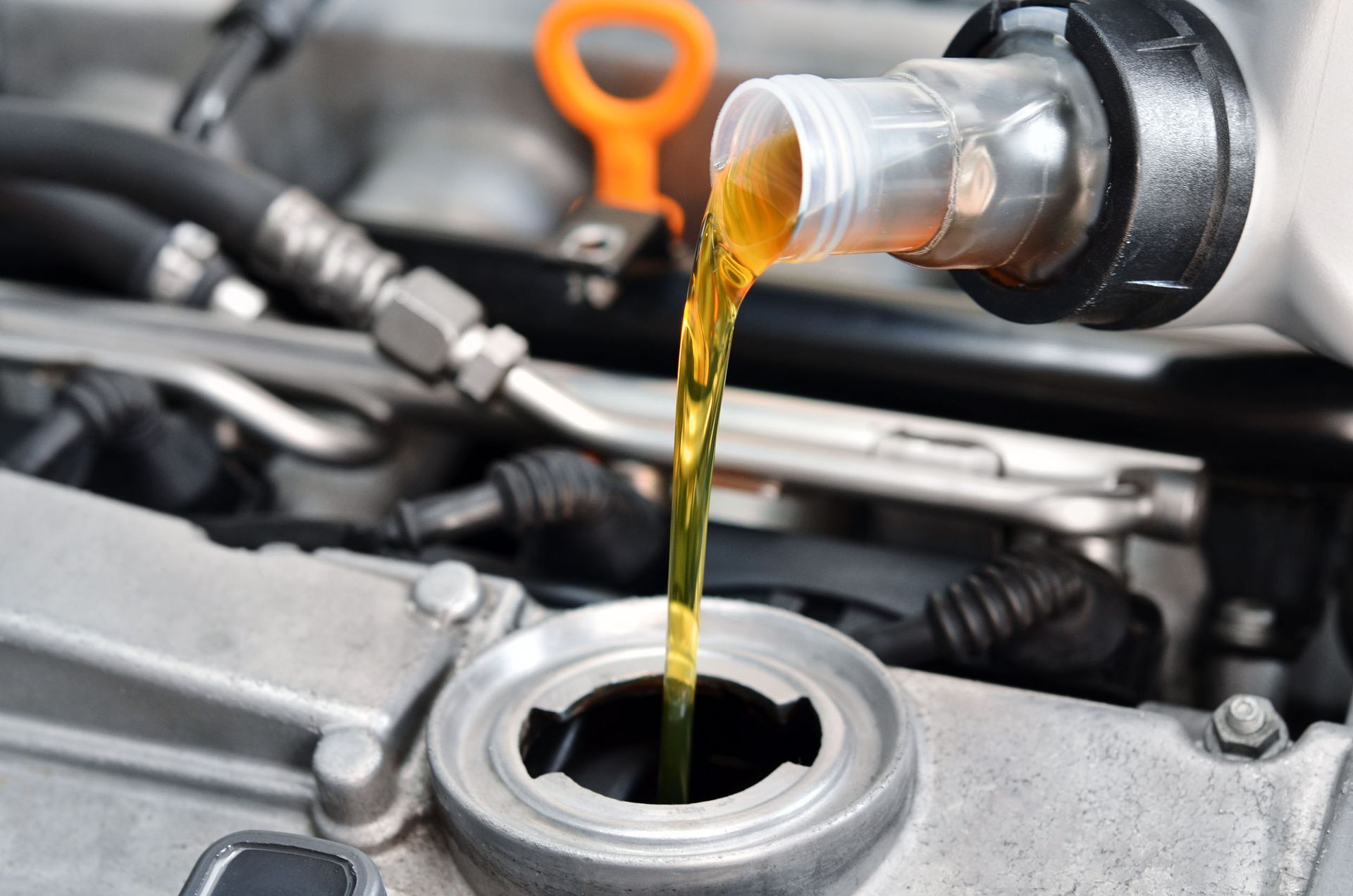
One of the most persistent misconceptions is the need to change your oil every 3,000 miles. According to AAA, it used to be normal to change the oil every 3,000 miles, but with modern lubricants, most engines today have recommended oil change intervals of 5,000 to 7,500 miles. It's always best to refer to your vehicle's owner manual for the manufacturer's specifications. Not adhering to these guidelines can lead to unnecessary expenditure and waste of time.
Believing in frequent oil changes is often rooted in older car models where the oil quality didn't last as long. However, with synthetic oils and enhanced engine technologies, this is no longer the case. It's critical for car owners to be informed and adapt to these advancements to maintain their vehicle's health effectively. Another factor that can affect your oil change intervals is your driving conditions. If you frequently drive in stop-and-go traffic or harsh environments, you may need to change your oil more often.
Oil life monitors in vehicles have also become more prevalent, providing a more accurate indication of when an oil change is needed. These systems analyze driving conditions and automatically alert you when your oil is nearing the end of its life. Relying on this technology can enhance your vehicle maintenance routine, avoiding unnecessary changes while ensuring you don't miss critical service times. Misunderstanding the function and benefits of oil life monitors can lead to premature oil changes and increased maintenance costs.
Misconception 2: You Can Use Any Tire Pressure
Another common misconception is that any arbitrary tire pressure will suffice for all vehicles. In truth, using the manufacturer-recommended tire pressure is crucial for vehicle safety and performance. Incorrect pressure levels can lead to early tire wear, reduced fuel efficiency, and even tire failure. Tire pressure should be checked regularly and adjusted to the specifications found in your vehicle's manual or on the tire placard. Under-inflated tires can also result in sluggish handling and increase the risk of accidents.
Driving with incorrect tire pressures impacts not only vehicle control but also the lifespan of the tires themselves. Under-inflated or over-inflated tires do not wear evenly, which can cause premature replacement and increase costs at an auto repair shop over time. Using the recommended pressure ensures optimal contact with the road, improving fuel economy and tire longevity. Consistent checkups of tire pressure will mitigate these issues. Regular adjustments to tire pressure according to the load you're transporting also support your vehicle's performance and safety.
Ensuring proper tire pressure is a simple yet effective way to maintain vehicular health. To monitor this, many modern cars are equipped with Tire Pressure Monitoring Systems (TPMS). This system alerts you when the pressure in any tire falls below or above the recommended level, ensuring you stay informed about maintaining optimal tire conditions. By keeping an eye on these tire care essentials, you support both your safety and financial savings. Recognizing the significance of proper tire pressure underscores your commitment to responsible car maintenance.
Misconception 3: Battery Maintenance Isn't Important
Many car owners assume that their vehicle's battery requires little to no maintenance until there is a noticeable issue. This misconception can lead to unexpected breakdowns and additional costs. Regular battery maintenance is crucial for preventing these untimely occurrences. Simple actions such as checking for corrosion on battery terminals and ensuring proper connections can significantly enhance battery life. Neglecting these checks can lead to a weakened battery, affecting everything from starting the car to powering electrical components.
Proper battery maintenance includes checking the battery charge level and, if necessary, recharging it. This ensures optimal performance and reduces stress on the alternator. Cold and hot temperatures can affect battery performance, reducing its efficiency and longevity. Hence, during temperature extremes, additional care is essential. Proactively replacing your battery before it fails, based on its age and performance, can prevent being stranded unexpectedly.
Incorporating regular battery checks into your maintenance routine helps you avoid potential electrical problems. Given that batteries naturally lose functionality with age, keeping track of its condition is crucial. The practice of checking battery health promotes overall vehicle reliability. Ensuring regular maintenance of the battery is a straightforward process, contributing significantly to your car's dependability.
Misconception 4: As Long as the Car Stops, the Brakes Are Fine
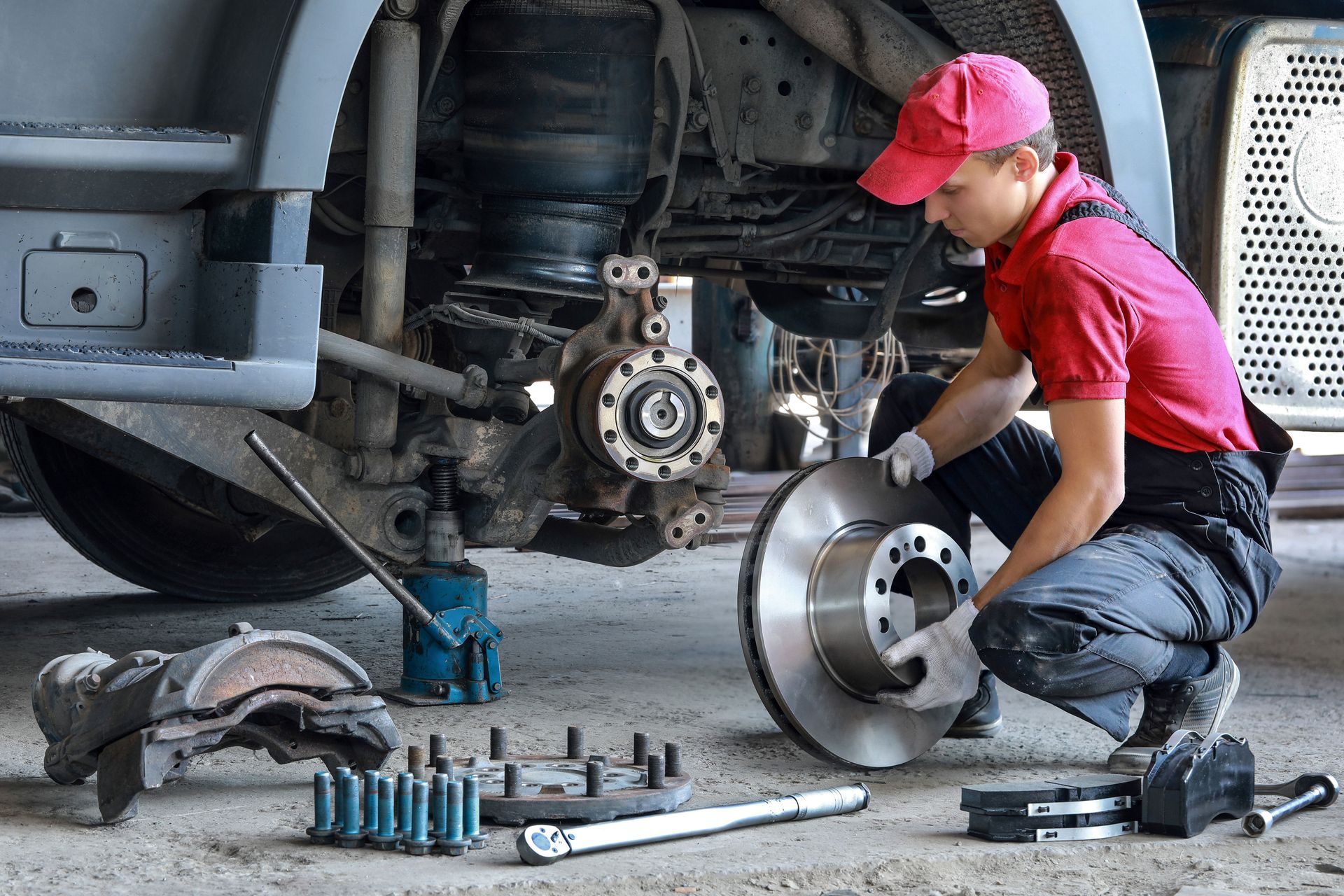
One dangerous assumption car owners hold is that if their car stops, the brakes must be functioning well. However, this perception overlooks the gradual degradation that brakes can undergo. Many warning signs, such as squealing or grinding noises, indicate that brake components are wearing out. Ignoring these indicators can lead to brake failure or reduced response times, risking accidents and injury. Regular checks and maintenance at a local auto repair shop are key to ensuring brake safety and efficiency.
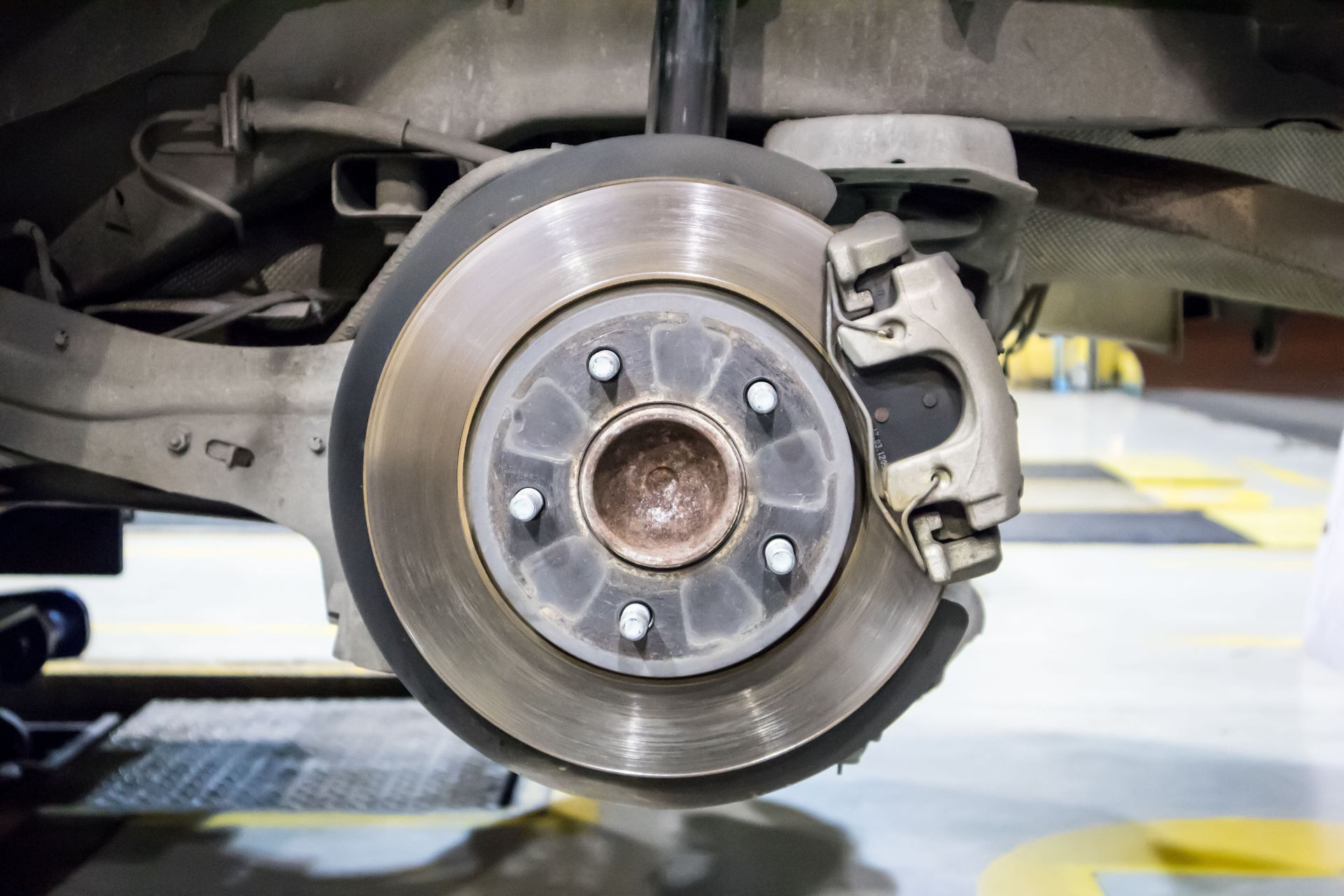
Brakes comprise several components, each subject to wear and critical for optimal performance. Over time, brake pads, rotors, and liners deteriorate, requiring inspection and potential replacement. Neglecting the maintenance of these components can result in system complications or expensive repairs. Maintaining a consistent brake check regimen plays a vital role in overall vehicle safety. Regular evaluations prevent the escalation of minor wear and the associated expense of major repairs.
Scheduled brake inspections also aid in detecting alignment issues that can affect stopping power. Proactive brake system care not only secures safety but minimizes repair costs, enhancing the overall driving experience. Understanding the importance of brake noise and response in assessing brake health underlines its significance within the broader maintenance agenda. Vigilance in the face of any anomaly ensures your car's braking system remains reliable. It's essential to shift the mindset from reactive to preventive maintenance to uphold vehicle safety standards.
Misconception 5: Coolant Only Needs Attention in Hot Weather
It's a common misconception that engine coolant is only essential in hot weather, as its primary role is cooling. However, coolant plays a dual role in safeguarding your engine against both overheating and freezing. In colder climates, a lack of attention can result in the coolant freezing, expanding, and causing engine damage. Therefore, year-round attention to coolant levels and condition is crucial for engine health. Failure to recognize this leads to engine inefficiencies and potentially costly repairs.
Regular coolant checks ensure the liquid has the correct mixture of water and antifreeze. As coolant ages, its protective properties decline, necessitating periodic coolant flushing and replacement. Engaging in this preventive measure reduces risks associated with corrosion and scale build-up within your engine. Monitoring coolant properties, therefore, goes beyond seasonal changes and is part of routine maintenance. This attention preserves vehicle integrity while avoiding complications borne from neglect.
Misconception 6: Transmission Fluid Never Needs Changing
Many drivers erroneously believe that their vehicle's transmission fluid never requires changing. While modern transmission systems are more efficient and durable, they still demand maintenance, including fluid checks and replacements. Failing to do so can lead to transmission grinding and slipping, ultimately causing costly repairs or replacements. Manufacturers provide recommended intervals for optimal change times in your vehicle's manual, which should be adhered to. Regular fluid checks can avoid significant transmission complications emanating from neglect.
Transmission fluid lubricates moving parts within the transmission, reducing friction and preventing wear. Over time, friction disrupts the integrity of the fluid, leading to compromised transmission efficiency and added strain. Regularly refreshing transmission fluid at an auto repair shop enhances part lifespans, minimizing noise, slippage, and transmission failures. Employing consistent checks and replacement intervals prevents inadequate lubrication, averting possible severe vehicle impairment. Understanding this critical function helps prioritize fluid updates within your maintenance routine.
By dispelling these common misconceptions, car owners can better understand the importance of regular and accurate auto maintenance at a local auto repair shop. This understanding promotes long-term vehicle health while safeguarding road users' safety through informed actions. To learn more, reach out to the experts at Al Huss Auto & Truck today!
Share On: